Your Wedding From Above: A Guide to Drone Wedding Videography in Dallas-Fort Worth and Austin
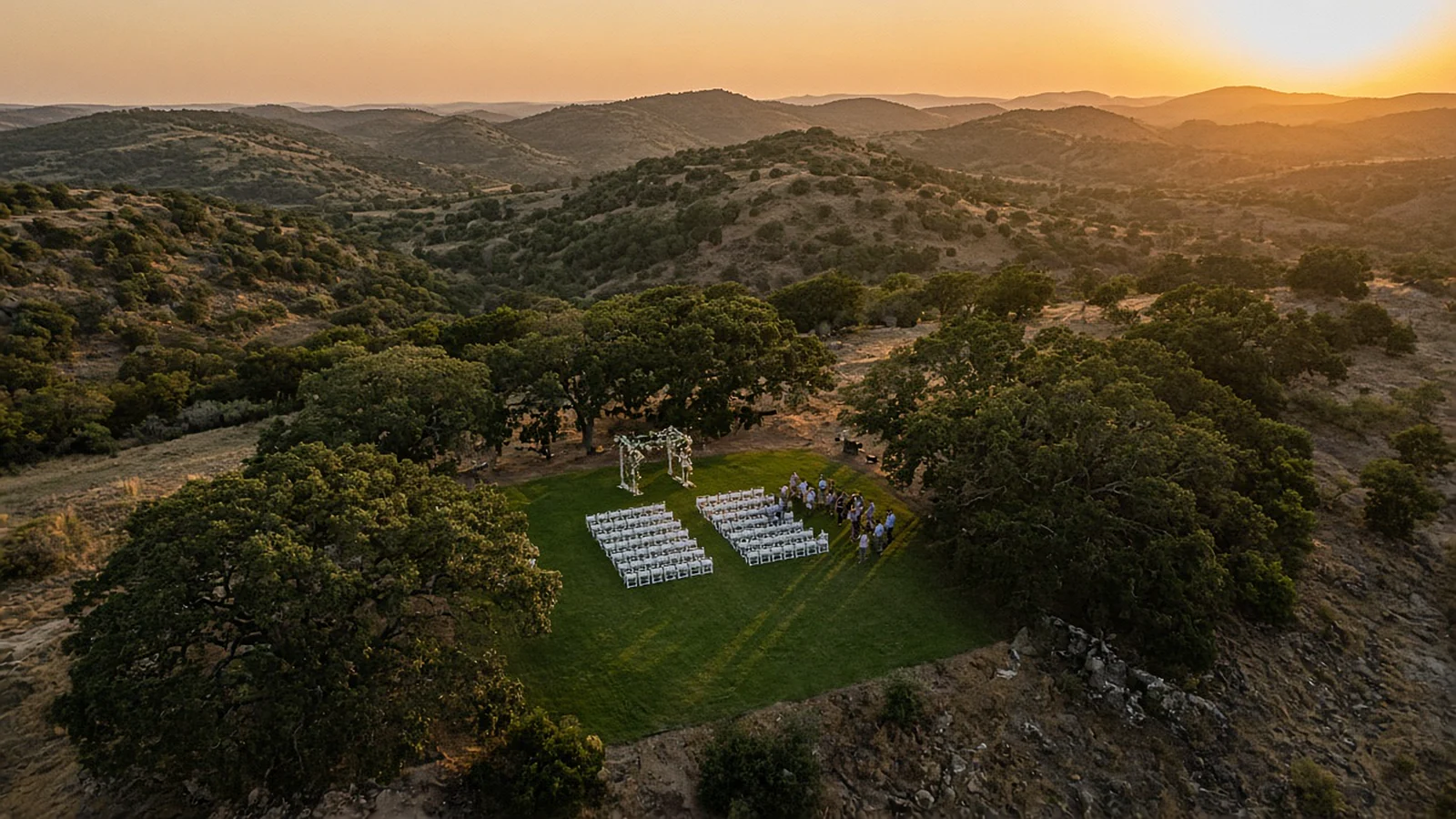
Picture the moment just before the ceremony. Guests are finding their seats on a ranch lawn outside Dripping Springs, the sun is dropping toward the hills, and the whole scene, from the arch to the oaks to the long gravel drive, fits into a single slow-rising frame.
That is what drone wedding videography does best. It captures the scale and setting of your day, the parts no one sees from a folding chair.
What a drone adds to your wedding film
Ground cameras capture faces, tears and toasts. A drone captures place. Together, they tell the whole story.
The establishing shot
Every great film opens by telling you where you are. An aerial approach to the venue, whether it's a historic mansion in Fort Worth, a vineyard in the Hill Country or a modern event space in Dallas, sets the tone before the first word is spoken.
The ceremony from above
A high, steady frame of the aisle, the guests and the setting can be breathtaking, especially at outdoor venues. The key is restraint: the drone should be a quiet observer, not a distraction during the vows.
Portraits with a sense of scale
A couple standing alone in a wide field, on a dock at Lake Travis, or in a courtyard surrounded by architecture. Aerial portraits feel cinematic because they show you as part of a larger world.
The grand exit
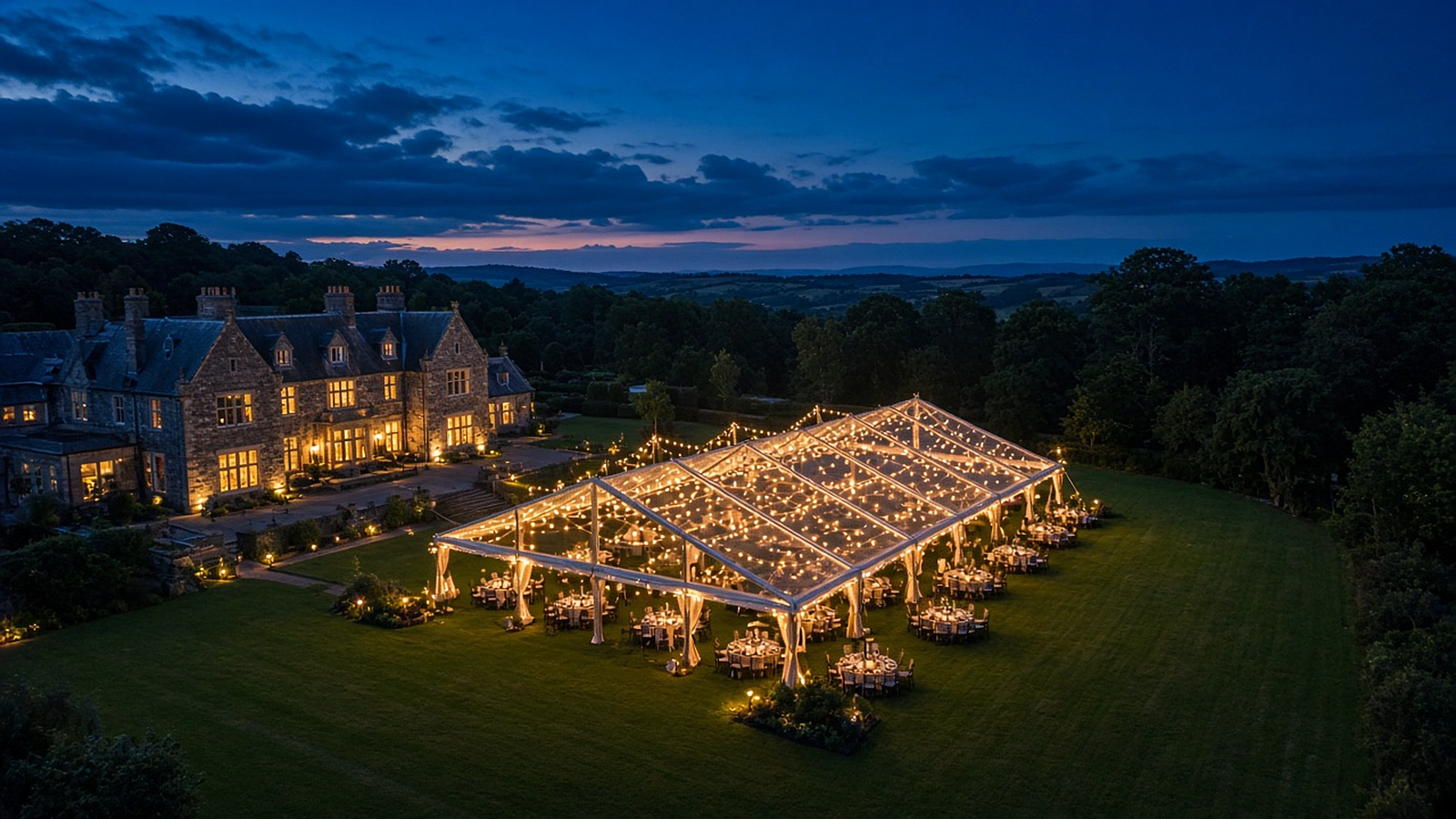
Sparklers, string lights and a getaway car photograph beautifully from above, provided the venue and timing allow a safe flight. Evening flights also bring additional requirements, which we cover below.
The 360 difference on a wedding day
Weddings move fast and only happen once. That is exactly where true 360-degree capture earns its place.
With Stoop 360, the camera records the full sphere around the aircraft. Instead of choosing a single direction and hoping the moment unfolds in frame, we capture everything and select the best angle in the edit. One pass over the ceremony can yield a wide establishing shot, a view down the aisle and a reveal of the landscape behind you.
It also opens up movements a standard drone can't pull off, like a continuous rise from the reception tent into the sky that turns to reveal the whole property.
Planning questions to ask early
Aerial footage looks effortless when it's planned well. Bring these questions to your venue and your pilot.
Does the venue allow drones?
Policies vary widely. Some venues welcome aerial coverage. Others restrict it to certain times or locations, ask for insurance documentation or don't allow it at all. Ask your coordinator first.
Is the venue in controlled airspace?
Many DFW and Austin venues sit within controlled airspace near airports such as DFW International, Dallas Love Field, Austin-Bergstrom or smaller towered fields. A Part 107 certified pilot can often request authorization through LAANC, but approvals and altitude limits depend on the exact location, so this should be checked when you book, not the week of.
Are there other restrictions on the date?
Temporary flight restrictions can pop up around major stadium events and other special occasions. A downtown Arlington wedding on a big game day, for example, may need a different plan.
What happens if the weather turns?
Wind, rain and heat all affect flying. Agree on a backup plan, such as shifting aerial portraits to a calmer window earlier in the day.
Safety, noise and your guests
A drone over a crowd is not something to take lightly, and the FAA doesn't either.
- Flying over people. Part 107 limits flights over people who aren't directly participating unless the aircraft and operation meet specific requirements. A professional pilot designs flight paths around guests, not over them.
- Noise. Drones aren't silent. During vows and speeches, the pilot should hold back or stay high and distant.
- Night flights. Part 107 allows flying after dark when the pilot has completed the required training and the drone has anti-collision lighting visible for three statute miles.
- Visual line of sight. The pilot, or a visual observer working with them, must be able to see the drone at all times.
Coordinating with your photo and video team
The drone pilot should feel like part of your vendor team, not a separate act. Before the day:
- Share the timeline with everyone, highlighting windows for aerial shots.
- Agree on positions so the drone isn't in the photographer's frame at key moments.
- Decide who is capturing the ceremony from which angle.
- Plan a short, dedicated block for aerial portraits, ideally near golden hour.
- Confirm how and when the aerial footage will be delivered to your editor.
Making it feel like your story
The best wedding aerials don't feel like drone footage. They feel like the opening of a film about two people and the place they chose. When the flying is planned around your timeline, your venue and the light, the result is quiet, cinematic and unmistakably yours.
If you're planning a celebration in Dallas-Fort Worth or the Austin area, the right time to talk about aerial coverage is when you book your venue. Our guide to drone videography for events covers rehearsal dinners and larger celebrations, too.
Frequently Asked Questions
Will a drone be loud during our ceremony?
Drones make noise, so a thoughtful pilot keeps distance and altitude during quiet moments like vows, and saves closer flights for the processional, recessional or moments with music.
Can a drone fly over our guests?
FAA rules limit flying over people who aren't directly participating in the operation unless the drone and operation meet specific requirements. A professional pilot plans flight paths around guests rather than over them.
Do wedding venues allow drones?
Many do, but policies vary. Some venues require advance notice, proof of insurance or limits on when the drone can fly. Ask your venue coordinator early and share the answer with your pilot.
Can the drone pilot work alongside our photographer and videographer?
Yes. The best results come when the aerial pilot coordinates in advance with your photo and video team on timing, positions and which moments each person is covering.
Images in this article are illustrative and do not depict specific Stoop 360 projects.
Keep reading
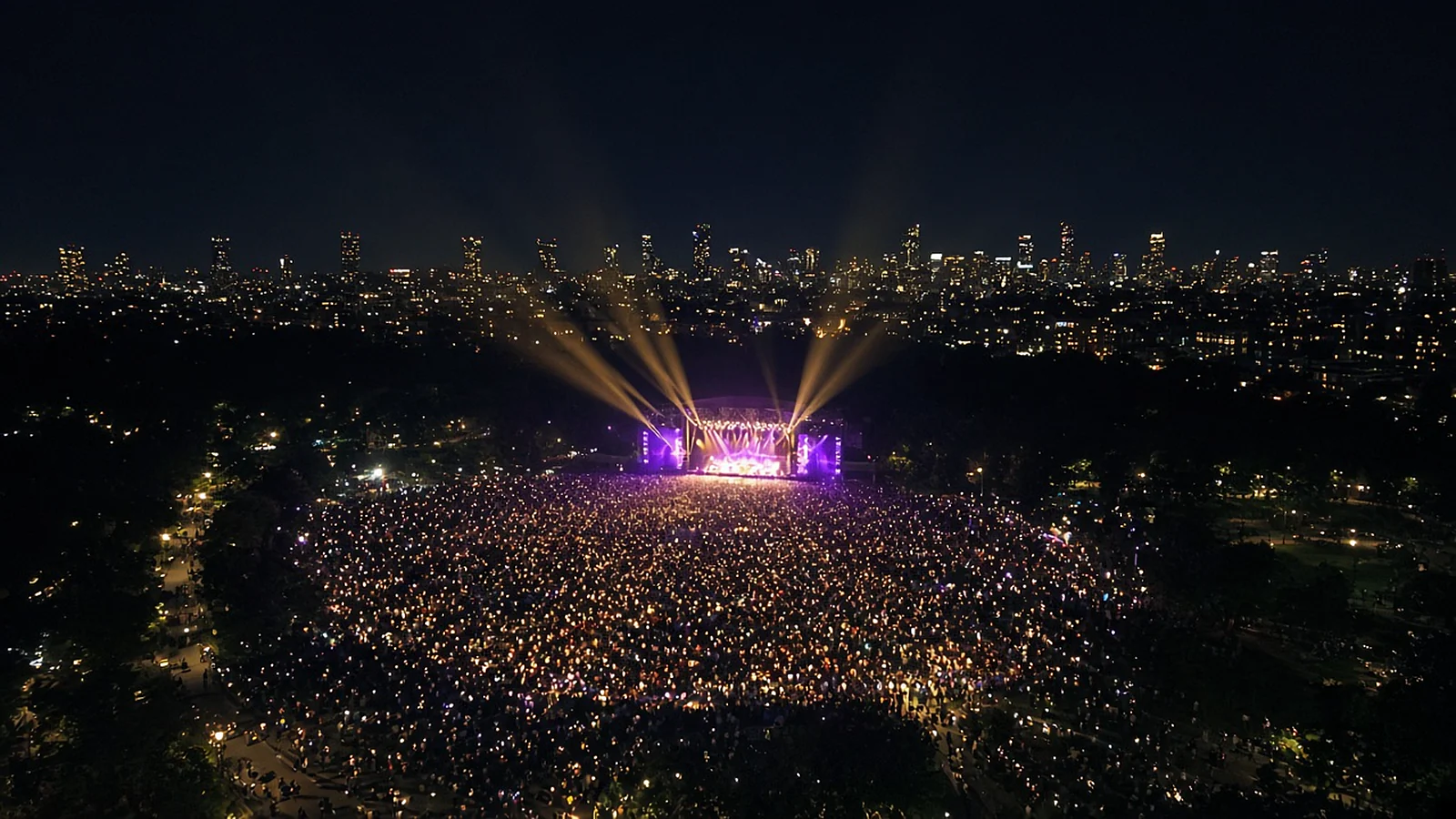
Drone Videography for Events: How to Plan Aerial Coverage That Actually Works
Galas, festivals, product launches and private celebrations. A planner's guide to aerial coverage that captures scale without getting in the way.
Read article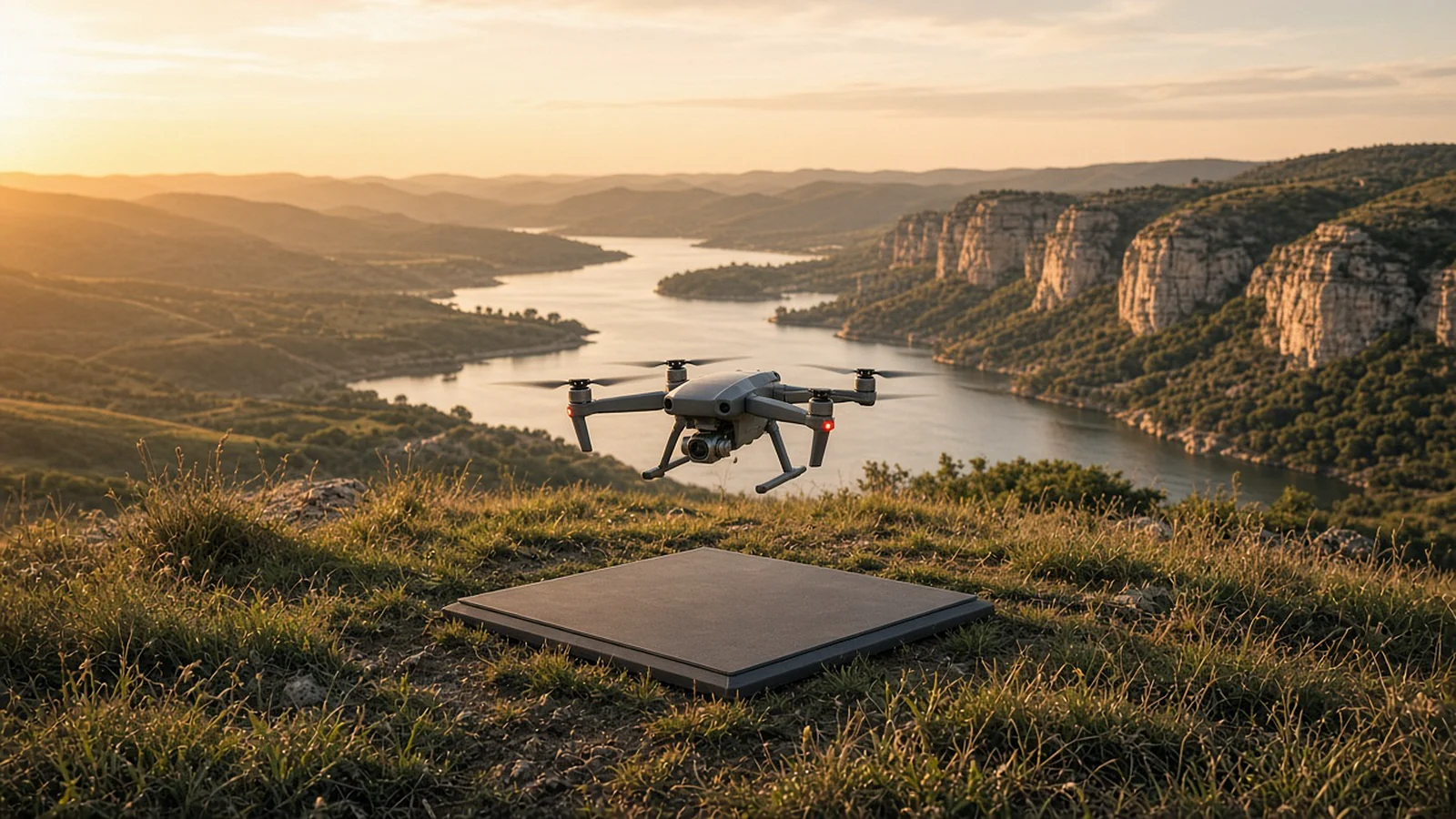
How to Hire a Drone Pilot in Dallas-Fort Worth or Austin: 10 Questions to Ask
Certification, airspace, insurance, portfolio and plan B. Ten questions that separate a professional drone pilot from someone who just owns a drone.
Read article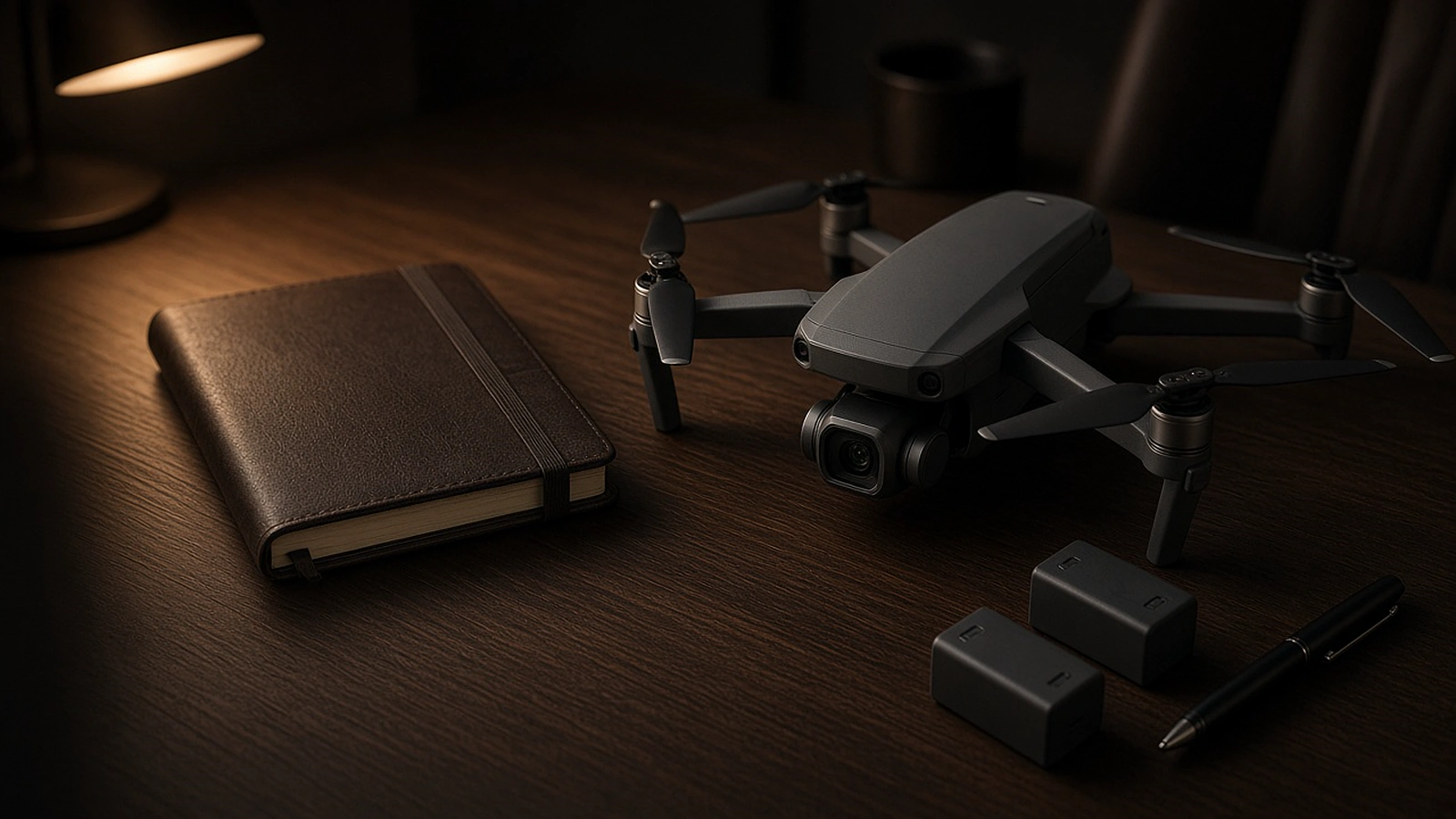
How Much Does Drone Photography Cost? What Really Drives the Price
No made-up price lists here. Instead, a clear look at the factors behind every drone photography quote, so you can compare offers and budget wisely.
Read article