How Much Does Drone Photography Cost? What Really Drives the Price
You ask three drone pilots for a quote and get three very different answers. One seems too good to be true, one seems steep, and one comes with a list of questions. Which one is right?
The honest answer is that drone photography cost depends on what you're actually buying. This guide breaks down the factors behind a quote, so you can compare offers on substance rather than price alone.
We don't publish prices in this article, because every project is different. Instead, here's what moves the number up or down.
What you're really paying for
A drone photo looks like a single click. Behind it are several layers of work:
- Certification and compliance. Commercial flights require an FAA Part 107 remote pilot certificate, registered aircraft and ongoing training.
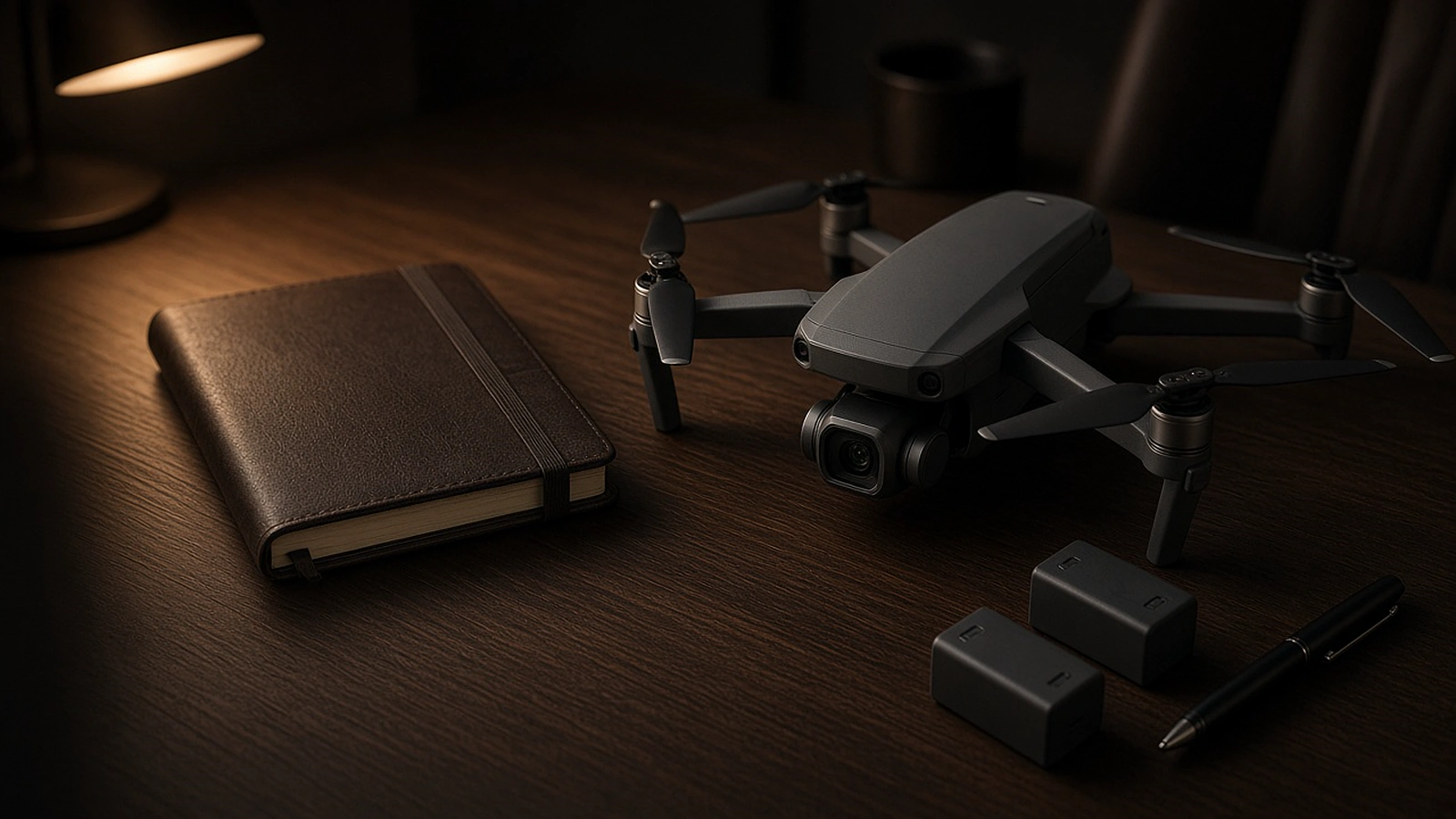
- Equipment. Professional drones, cameras, batteries, spares and, at Stoop 360, true 360-degree capture.
- Planning. Airspace checks, authorizations, site research and shot lists.
- Time on site. Travel, setup, flying and waiting for the right light.
- Post-production. Selecting, editing, color grading and delivering the final files.
- Insurance and business costs. Coverage that many venues and clients require.
The biggest factors that affect cost
1. Type of project
A quick set of listing stills is a different job from a wedding film, a festival recap or a construction program with recurring visits. Projects with more moving parts, live moments or safety considerations require more planning and skill.
2. Deliverables
The single biggest variable. Consider:
- How many edited photos?
- Video, and if so, how long and how polished?
- 360 panoramas or an interactive tour?
- Vertical cuts for social media?
- Raw footage or only edited files?
3. Editing and post-production
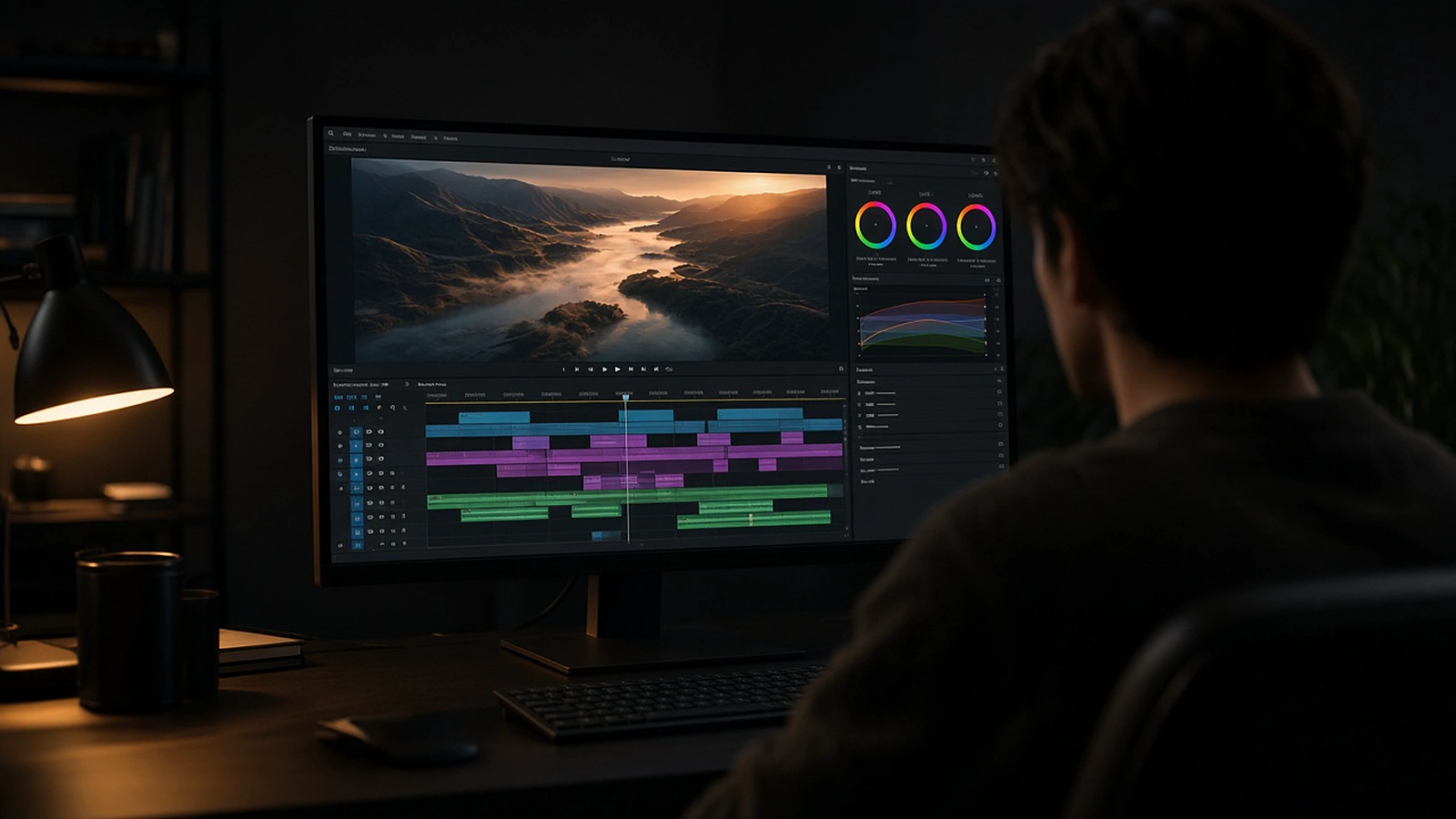
Basic color correction is quick. Cinematic grading, sky replacement where appropriate, music licensing, motion graphics and multiple video versions take much longer. Post-production often takes more time than the flight itself.
4. Location and airspace
A shoot in open countryside outside Fort Worth may require no authorization. A property in Irving near DFW International, in North Dallas near Love Field or close to Austin-Bergstrom may need FAA authorization first. Some locations can be approved quickly through LAANC. Others need a longer application through the FAA's DroneZone. More complex airspace means more planning.
5. Travel
Stoop 360 serves both Dallas-Fort Worth and Austin, and both metros are large. A shoot in central Austin is a different trip from one in Marble Falls; a job in Fort Worth is different from one in McKinney. Distance and drive time factor into scheduling.
6. Timing
Golden hour, twilight and night shoots involve narrow windows, sometimes extra training and equipment requirements, and less schedule flexibility. Rush turnaround and weekend dates can also affect the quote.
7. Complexity and risk
Flying near crowds, inside buildings, over water or around active construction requires more preparation, sometimes additional crew such as a visual observer, and careful risk management.
8. Usage
How the content will be used can matter. A one-time listing gallery is different from a national ad campaign. Clarify usage rights up front.
How to compare quotes fairly
Lay quotes side by side and check:
- Is the pilot FAA Part 107 certified? This is non-negotiable for commercial work.
- What exactly is delivered? Number of photos, video length, formats and turnaround.
- Is editing included, and to what level?
- Who handles airspace authorization?
- Is insurance in place?
- What happens if weather cancels the shoot?
- Are there travel or rush charges?
- What usage rights come with the files?
A low quote that leaves out editing, authorization or insurance may cost more in the end, in reshoots, delays or risk.
Ways to get more value
- Bundle services. Aerial photos, video and 360 capture in one visit are often more efficient than separate trips.
- Prepare the site. A tidy, staged property means less time on site and less retouching.
- Be flexible on timing. Weather happens. Flexibility helps everyone.
- Plan for reuse. Ask for formats that work for listings, social media and your website at the same time.
- Think long term. Recurring work, such as construction progress, can be scheduled efficiently.
Red flags to watch for
- No mention of FAA certification.
- Vague deliverables or "we'll see what we get."
- No questions about your location or airspace.
- No plan for weather or safety.
- Pressure to fly where the venue or property owner hasn't given permission.
The right question to ask
Instead of "How much does drone photography cost?", ask "What will I receive, and what goes into it?" When you understand the scope, the price makes sense, and you can choose the provider whose work and process fit your project. Our guide on how to hire a drone pilot has more questions worth asking.
Frequently Asked Questions
Why do drone photography quotes vary so much?
Quotes reflect different scopes, equipment, editing, experience, insurance and planning. Two quotes for the same property can include very different deliverables, so compare what's included rather than just the total.
Is aerial video more expensive than aerial photos?
Video usually requires more flight time, planning and editing than still photos, so it often costs more. The difference depends on length, complexity and post-production.
Do airspace authorizations add to the cost?
They can add planning time, especially when a location needs authorization beyond what LAANC can approve automatically. Ask whether airspace work is included in the quote.
Can I save money by bundling services?
Often. Combining aerial photos, video and 360 capture in one visit can be more efficient than separate trips. Ask your provider about packages that fit your project.
Images in this article are illustrative and do not depict specific Stoop 360 projects.
Keep reading
How to Hire a Drone Pilot in Dallas-Fort Worth or Austin: 10 Questions to Ask
Certification, airspace, insurance, portfolio and plan B. Ten questions that separate a professional drone pilot from someone who just owns a drone.
Read article
Drone Real Estate Photography in DFW and Austin: How Aerial Images Help a Listing Stand Out
Lot lines, views, the pool, the drive to the lake. Here is how aerial photos tell the part of a listing that ground photos can't.
Read article
Your Wedding From Above: A Guide to Drone Wedding Videography in Dallas-Fort Worth and Austin
The venue at golden hour, the walk down the aisle, the send-off under the lights. How to plan aerial coverage that feels like part of the story.
Read article