How to Hire a Drone Pilot in Dallas-Fort Worth or Austin: 10 Questions to Ask
Almost anyone can buy a drone. Far fewer people can fly one legally, safely and beautifully over your home, your wedding or your business. The difference rarely shows up in a quick online search, but it shows up fast on the day of the shoot.
If you're looking to hire a drone pilot in Dallas-Fort Worth or Austin, these ten questions will help you separate professionals from hobbyists with a credit card.
1. Are you FAA Part 107 certified?
Start here. Any drone flight for business purposes, including real estate, weddings, events, inspections and marketing, requires the remote pilot in command to hold an FAA Part 107 remote pilot certificate.
Certified pilots have passed the FAA's aeronautical knowledge test and must complete recurrent training every 24 calendar months. Ask to see the certificate. A professional won't hesitate.
2. How will you handle airspace at my location?
This question reveals a lot. Many neighborhoods across DFW and Austin sit in controlled airspace around DFW International, Dallas Love Field, Austin-Bergstrom and smaller towered airports. Flying there requires FAA authorization, often requested through LAANC.
A good answer sounds like: "Send me the address and I'll check the airspace today." A worrying answer sounds like: "It'll be fine."
Our guide to FAA Part 107 drone rules in DFW and Austin explains what's involved.
3. Do you carry insurance?
The FAA doesn't require insurance for Part 107 operations, but many venues, property managers and businesses do. Even when it isn't required, insurance protects everyone if something goes wrong. Ask what coverage the pilot carries and whether they can provide proof if your venue asks.
4. Can I see work similar to my project?
A beautiful landscape reel doesn't guarantee great real estate photos, and a strong real estate portfolio doesn't guarantee calm, unobtrusive wedding coverage. Ask for examples that match your project type, and look for:
- Smooth, intentional camera movement.
- Level horizons and natural color.
- Thoughtful composition rather than just height.
- Consistency across a full set, not just one hero shot.
5. What equipment will you use, and why?
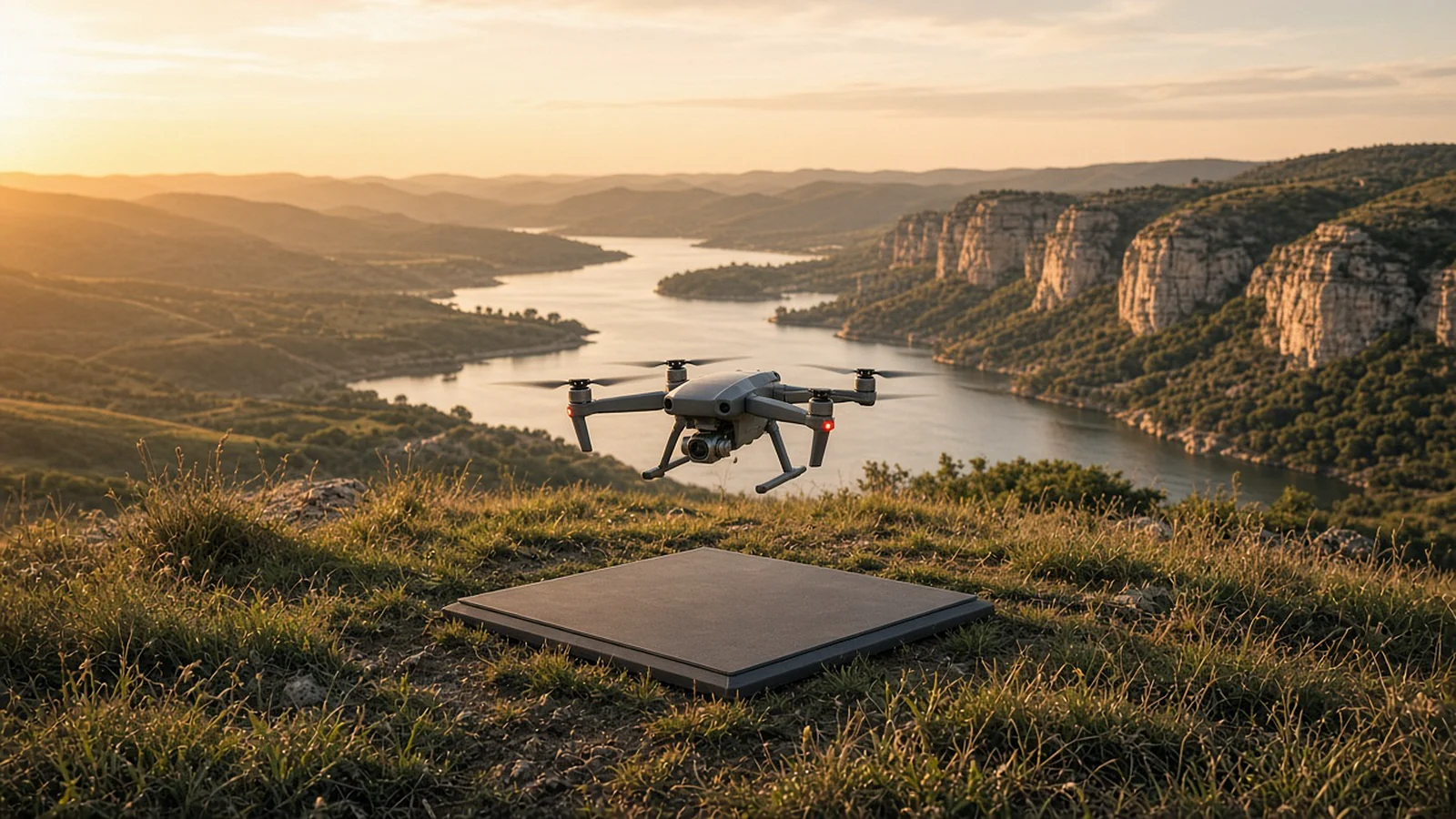
You don't need to be technical to ask this. A professional can explain in plain language why their equipment suits your project, whether that's a camera for low-light events, a small FPV drone for interior fly-throughs or true 360-degree capture.
At Stoop 360, 360 capture means recording the full sphere around the aircraft, which allows framing to be chosen after the flight and immersive panoramas to be delivered.
6. What exactly will I receive?
Get specifics:
- How many edited photos?
- What length and style of video?
- Will you deliver 360 panoramas or a tour?
- Which file formats and resolutions?
- How will files be delivered, and when?
Clear deliverables prevent disappointment and make quotes easier to compare. Our article on drone photography cost explains how deliverables shape the price.
7. What's your plan for safety?
Ask how the pilot handles:
- People. Part 107 limits flying over people who aren't directly participating, so routes should avoid guests and bystanders.
- Obstacles. Trees, power lines, cranes and buildings.
- Emergencies. Low batteries, lost signal and sudden weather changes.
- Visual line of sight. Whether a visual observer will be part of the crew, especially for FPV work.
A professional will have clear, calm answers.
8. What happens if the weather doesn't cooperate?
North Texas wind and spring storms, Central Texas summer heat and sudden showers anywhere can disrupt a shoot. Ask about the pilot's weather policy, how decisions are made and how rescheduling works.
9. Have you checked with the venue or property owner?
The FAA governs the airspace, but property owners, venues, HOAs and parks control where a drone can take off and land. Some require advance notice, insurance documentation or restrictions on timing. Confirm who's responsible for getting permission.
10. How will we communicate before and during the shoot?
The best aerial work comes from collaboration. Ask:
- Will we plan a shot list together?
- Who's the point of contact on the day?
- How will you coordinate with my photographer, videographer, planner or site team?
- How soon will I see previews?
Bonus: Trust your instincts
Beyond the answers, notice how the pilot answers. Do they ask about your goals? Do they mention airspace and safety without being prompted? Do they explain things clearly? Professionalism shows up in the conversation long before the drone is in the air.
A quick hiring checklist
- Current FAA Part 107 remote pilot certificate
- Airspace checked for your exact address
- Insurance details available
- Relevant portfolio examples
- Clear deliverables and timeline in writing
- Safety and weather plan
- Venue or property permission confirmed
- Usage rights agreed
Ready to take off
Whether it's a listing in Southlake, a wedding in the Hill Country, a festival in Austin or a build in Fort Worth, the right drone pilot makes the process feel easy and the results feel effortless. Stoop 360 flies every job with an FAA Part 107 certified remote pilot and true 360-degree capture. When you're ready, tell us about your project.
Frequently Asked Questions
How do I verify that a drone pilot is certified?
Ask to see their FAA Part 107 remote pilot certificate. Certified pilots should be comfortable sharing it, and you can ask how they keep their recurrent training current.
Should a drone pilot visit the site before the shoot?
For complex projects, a site visit or detailed virtual scouting is valuable. For simpler jobs, a pilot can often plan using maps, airspace tools and photos you provide.
What if the weather is bad on the day of the shoot?
Wind, rain and low visibility can ground drones. A professional pilot will explain their weather policy up front and work with you on a backup date or window.
Who owns the photos and video after the shoot?
It depends on the agreement. Clarify usage rights in writing before the shoot, especially if the content will be used in advertising.
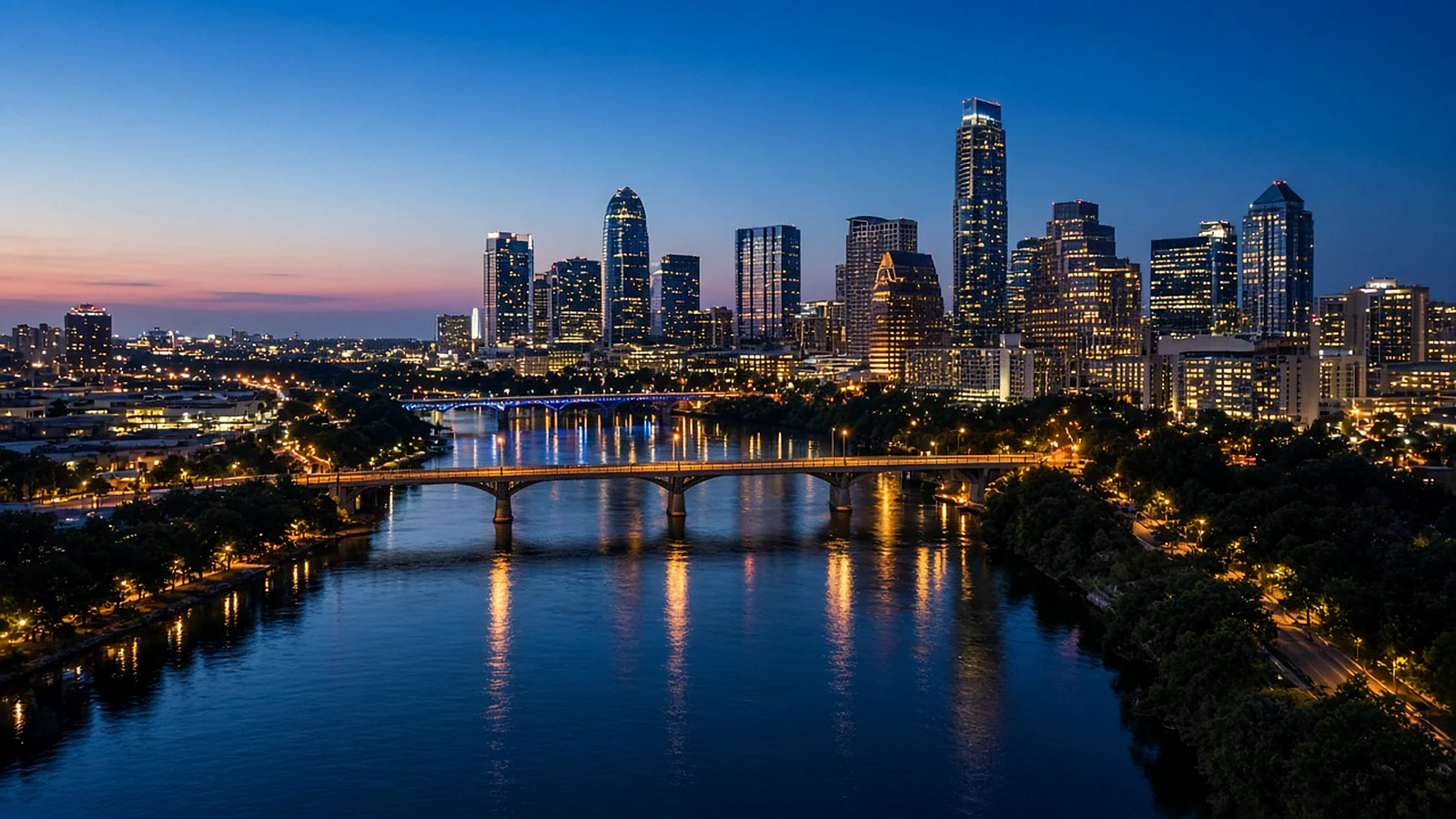
Images in this article are illustrative and do not depict specific Stoop 360 projects.
Keep reading
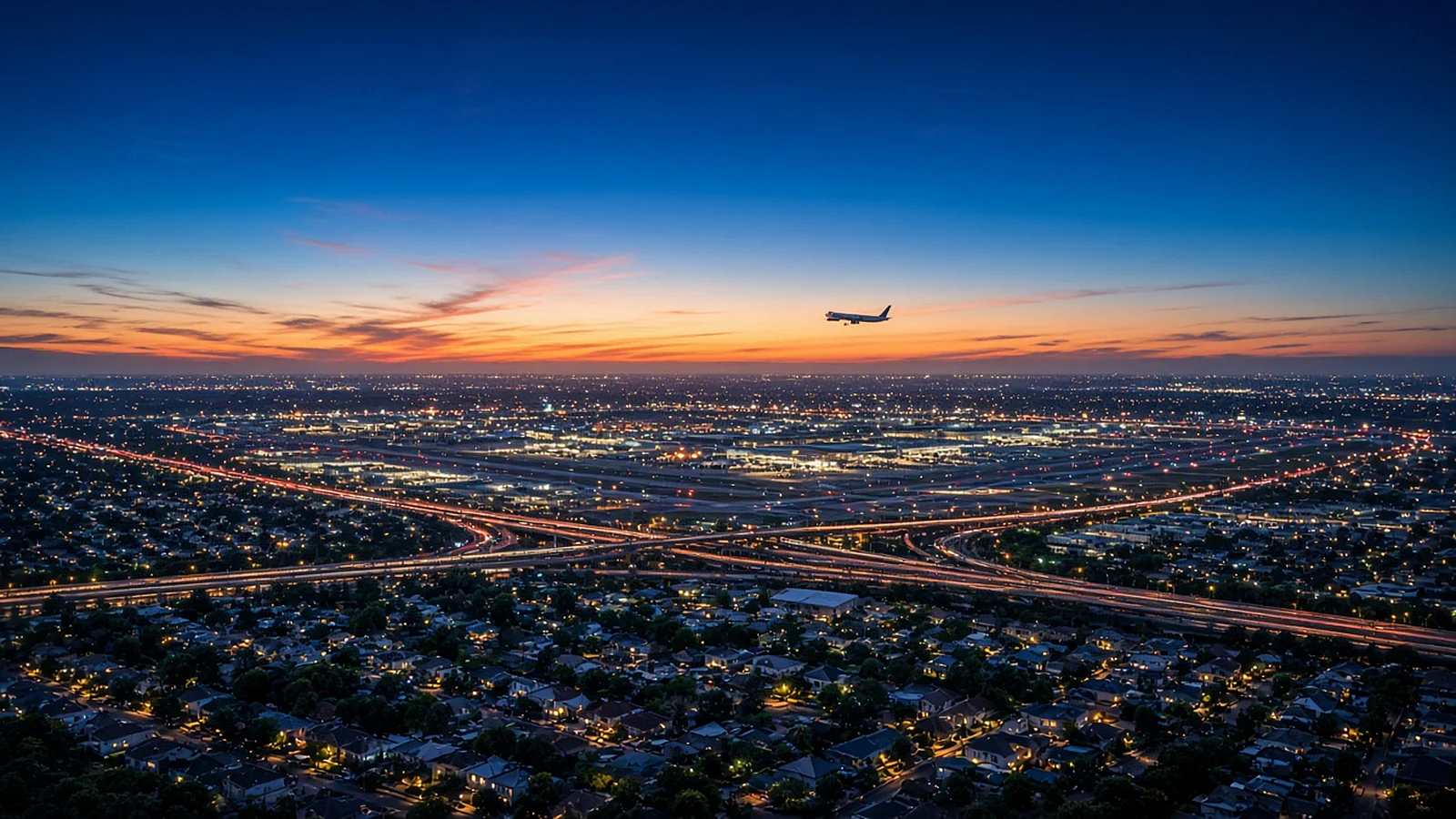
Drone Rules in DFW and Austin: What FAA Part 107 Means When You Hire a Pilot
Certification, controlled airspace, LAANC, night flights and flying near people. What the rules mean for your shoot, without the legalese.
Read article
How Much Does Drone Photography Cost? What Really Drives the Price
No made-up price lists here. Instead, a clear look at the factors behind every drone photography quote, so you can compare offers and budget wisely.
Read article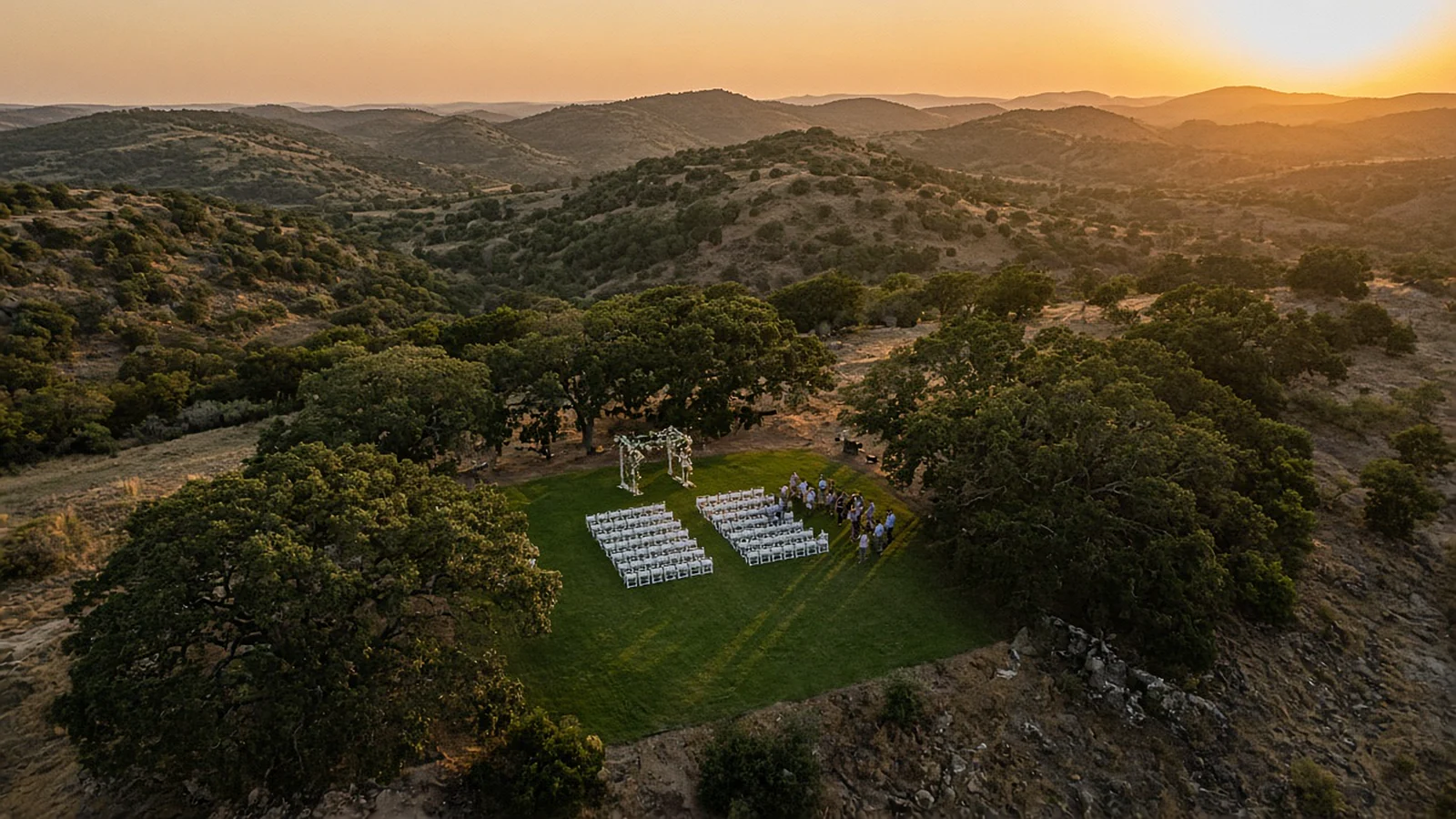
Your Wedding From Above: A Guide to Drone Wedding Videography in Dallas-Fort Worth and Austin
The venue at golden hour, the walk down the aisle, the send-off under the lights. How to plan aerial coverage that feels like part of the story.
Read article