FPV Fly-Through Videos: The One-Take Tour Everyone Is Talking About
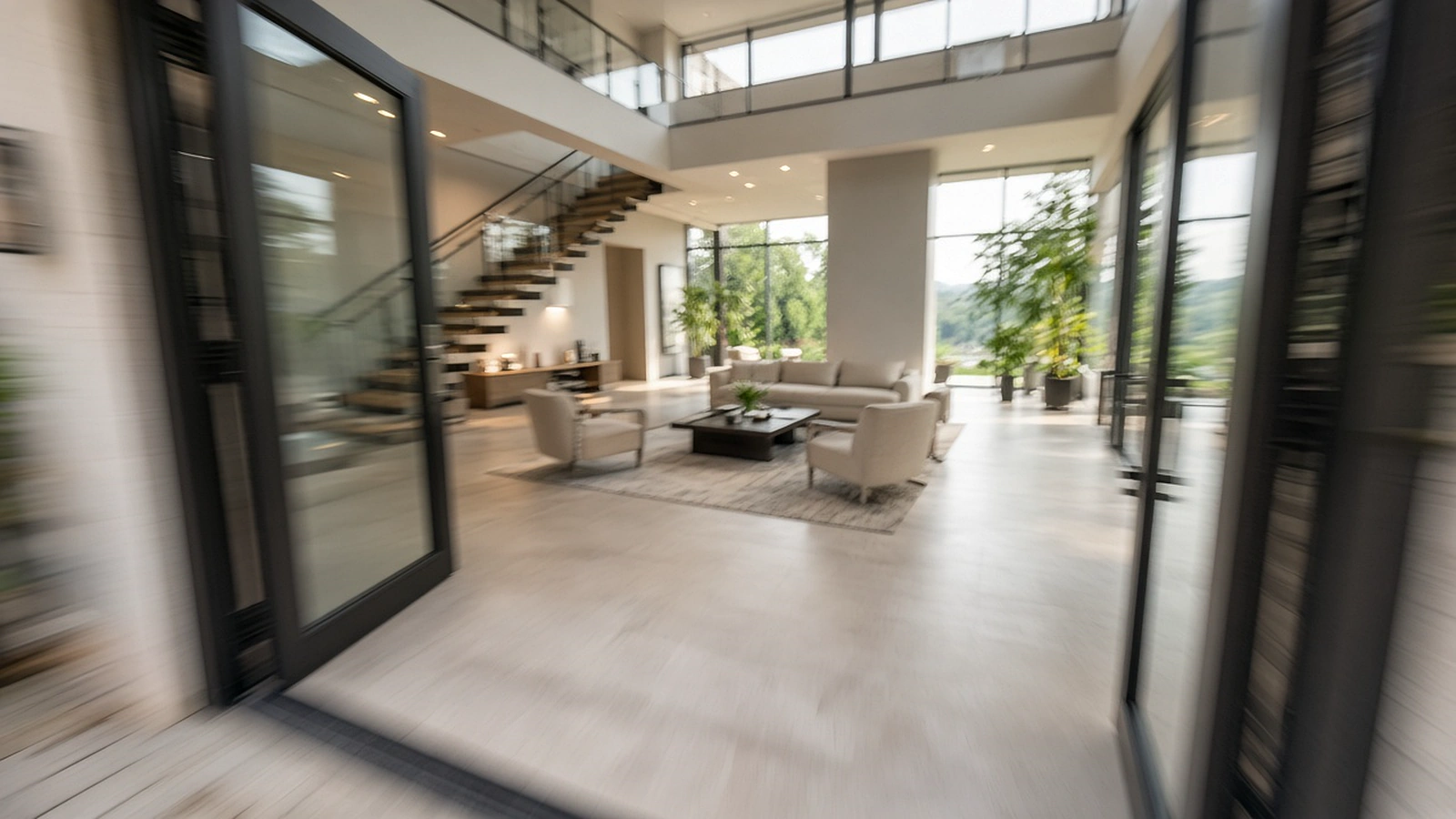
The video starts on the front walk. The camera glides through the open door, sweeps past the staircase, threads through the kitchen, slips out the back doors, skims the pool and climbs into the sky until the whole neighborhood comes into view. No cuts. One breath.
That is an FPV fly-through, and it has become one of the most shared styles of video in real estate, hospitality and brand content.
What is an FPV fly-through?
FPV stands for first-person view. Instead of watching a drone from the ground, the pilot flies using a live video feed from the aircraft, usually through goggles. It feels like sitting in the cockpit.
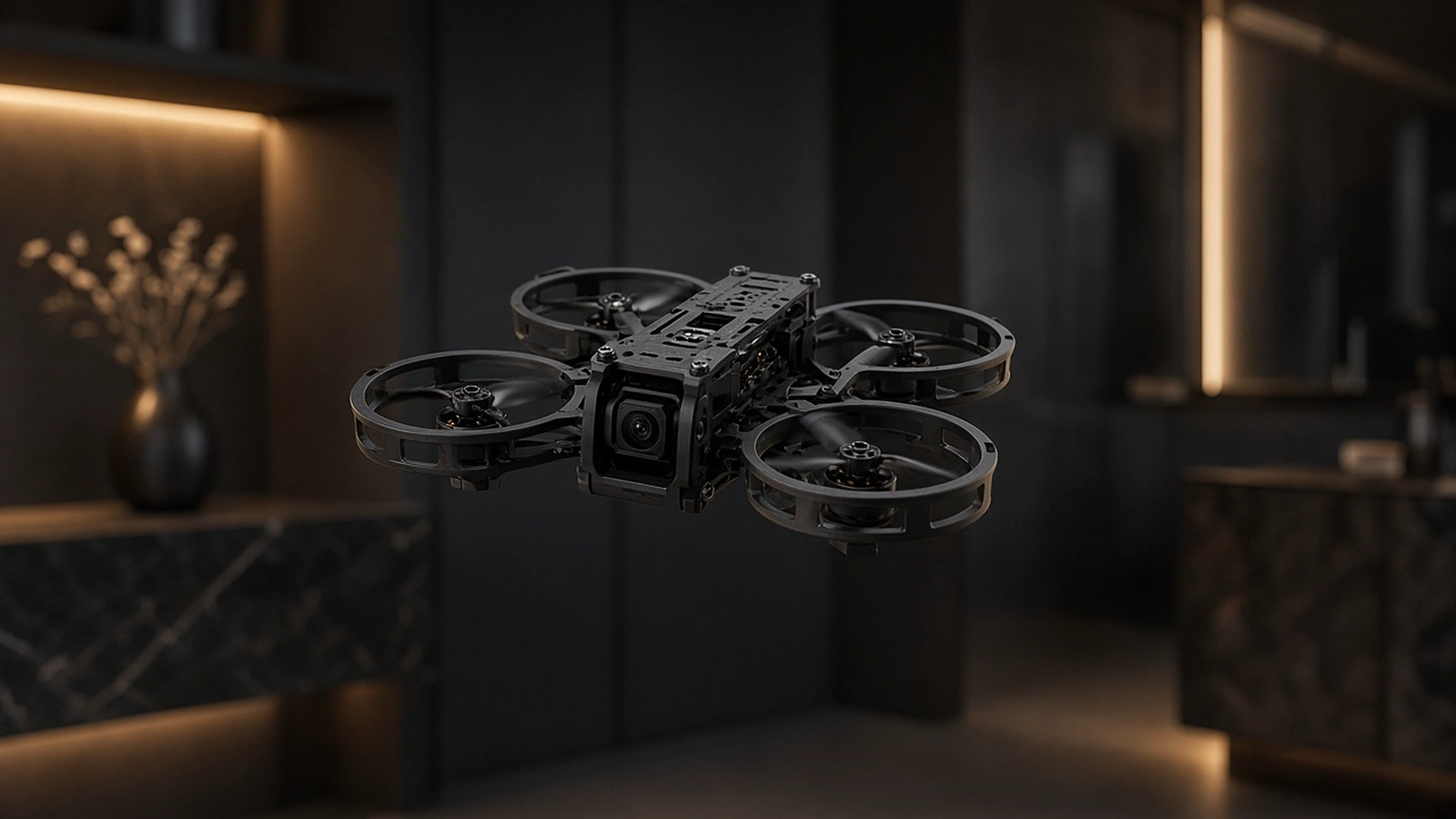
For fly-throughs, pilots typically use small, lightweight drones with protective ducts around the propellers, often called cinewhoops. They are built to move smoothly through doorways and hallways at walking or jogging speed while carrying a stabilized camera.
Why one-take tours work so well
- They show flow. Viewers understand how rooms connect, something even great still photos struggle to convey.
- They feel like a visit. The continuous movement mimics walking through the space.
- They hold attention. A single unbroken move creates anticipation: where does it go next?
- They're made for social. Vertical and horizontal versions perform well on the platforms where people actually discover homes, venues and businesses.
Where FPV fly-throughs shine
Luxury and architectural homes
Open floor plans, dramatic staircases and indoor-outdoor living are made for FPV. A home in Preston Hollow, a modern build in Austin's Westlake Hills or a lake house on Lake Travis can feel cinematic in a single move.
Restaurants, bars and hospitality
A fly-through from the street, past the host stand, through the dining room and into the kitchen tells the story of a place in seconds.
Venues and event spaces
Planners and couples want to understand how guests will move from the ceremony to cocktails to dinner. An FPV tour shows that journey literally.
Gyms, offices and retail
Fitness studios, creative offices and showrooms in Dallas, Fort Worth and Austin use fly-throughs for recruiting, launches and brand storytelling.
How a fly-through is planned
The magic looks spontaneous. It isn't.
- Walkthrough. The pilot walks the route, noting doorways, ceiling fans, glass, mirrors and pets.
- Story. Decide the start, the end and the highlights. A good fly-through has a beginning, a middle and a reveal.
- Staging. Lights on, fans off, doors open, clutter gone. Everything in the path will be seen in sharp detail.
- Rehearsal. Practice runs at low speed to refine the line and timing.
- Takes. Several full passes to get one clean, smooth shot.
- Edit and color. Stabilization, color grading and music turn the raw flight into a finished piece.
Combining FPV with 360 capture
FPV and 360 capture are complementary. FPV gives you a directed, choreographed journey. 360 capture, which is Stoop 360's specialty, records the full sphere around the aircraft so the best framing can be chosen afterward and immersive panoramas can be delivered.
Together they can cover both sides of a property story: the guided tour and the freedom to look around. Read more in what a 360 drone tour shows.
Safety and the rules
FPV flying is precise, but it still has to be safe and legal.
Indoors
Flights entirely within an enclosed building generally fall outside FAA airspace rules. That doesn't make them casual. The property owner's permission, a clear plan for people and pets, and appropriate insurance all matter.
Outdoors
The moment the drone exits the building, outdoor rules apply. For commercial work that means Part 107, including the visual line of sight requirement. Because goggles don't satisfy visual line of sight on their own, FPV pilots work with a visual observer who keeps the drone in sight.
Airspace matters too. Properties near DFW International, Dallas Love Field, Austin-Bergstrom and other towered airports may need FAA authorization before the outdoor portion of the flight.
Around people
Part 107 limits flights over people who aren't directly participating. For fly-throughs in occupied spaces, that typically means filming when the space is closed or keeping people clear of the route.
Is an FPV fly-through right for your project?
Ask three questions:
- Does the space have flow worth showing? Open plans and indoor-outdoor living benefit most.
- Is it well staged? FPV reveals everything, so preparation matters.
- Where will it live? Social media, listing pages and websites all benefit from a strong one-take video.
If the answer is yes, a fly-through can be the piece of content that people watch twice and send to a friend. That is the whole point.
Frequently Asked Questions
What does FPV stand for?
FPV stands for first-person view. The pilot flies using a live video feed, often through goggles, which allows precise, fluid flight through tight spaces.
Are indoor FPV flights regulated by the FAA?
Flights fully inside an enclosed building generally fall outside FAA airspace rules, but the property owner's permission, safety planning and insurance still matter. Any portion of the flight outdoors falls under the usual rules, including Part 107 for commercial work.
How long does it take to film an FPV fly-through?
It depends on the size and complexity of the space. Expect time for a walkthrough, staging, rehearsal runs and several takes, because the goal is one clean continuous shot.
Is an FPV fly-through better than a standard drone video?
They do different jobs. Standard aerial video shows setting and scale from above, while an FPV fly-through shows flow and experience from inside. Many projects use both.
Images in this article are illustrative and do not depict specific Stoop 360 projects.
Keep reading
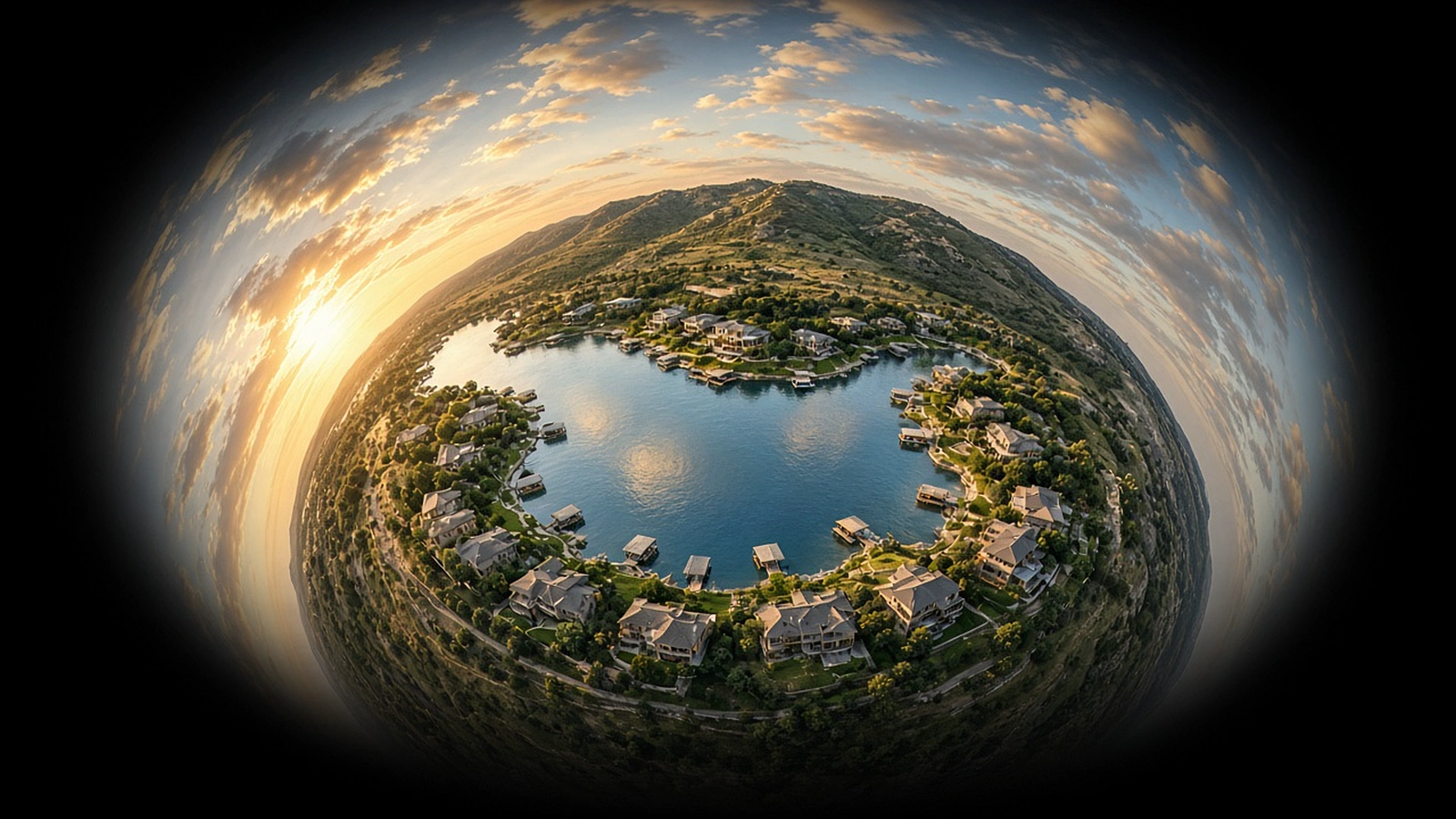
What a 360 Drone Tour Shows That Ordinary Photos Can't
One position in the sky, every direction at once. A plain-English look at immersive aerial panoramas and where they make a real difference.
Read article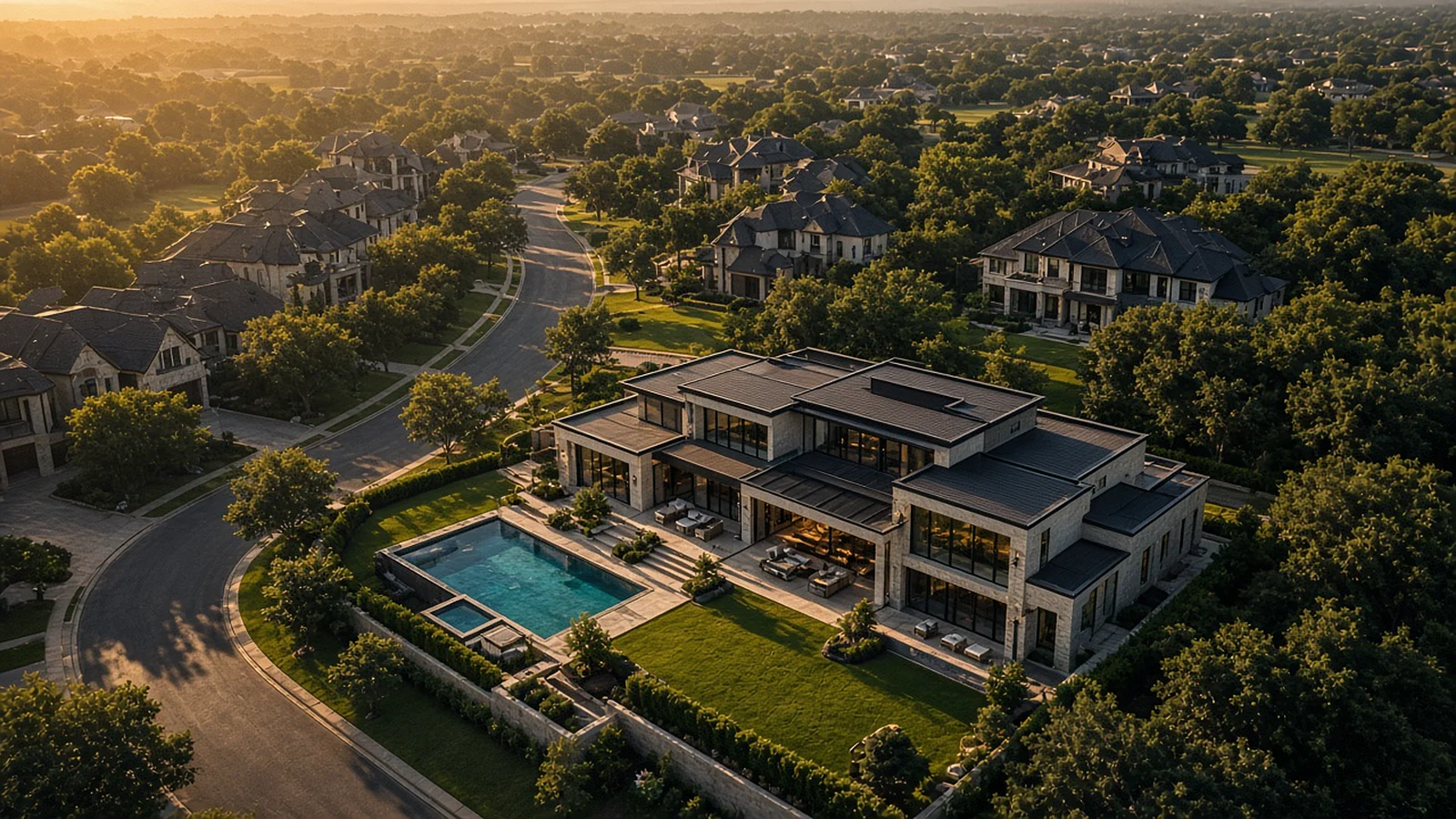
Drone Real Estate Photography in DFW and Austin: How Aerial Images Help a Listing Stand Out
Lot lines, views, the pool, the drive to the lake. Here is how aerial photos tell the part of a listing that ground photos can't.
Read article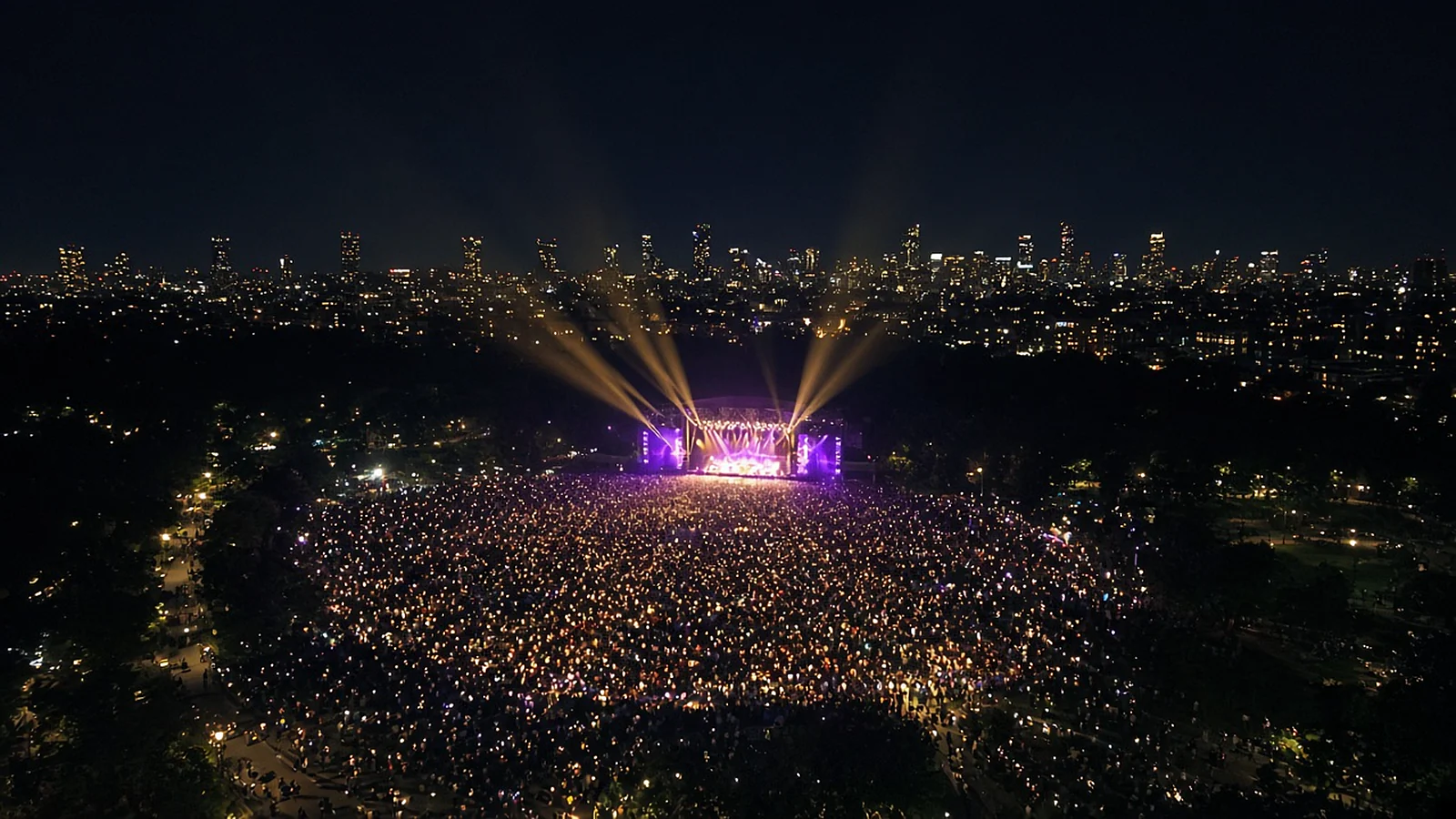
Drone Videography for Events: How to Plan Aerial Coverage That Actually Works
Galas, festivals, product launches and private celebrations. A planner's guide to aerial coverage that captures scale without getting in the way.
Read article