
After the Storm: How Drone Roof and Property Inspections Work in North and Central Texas
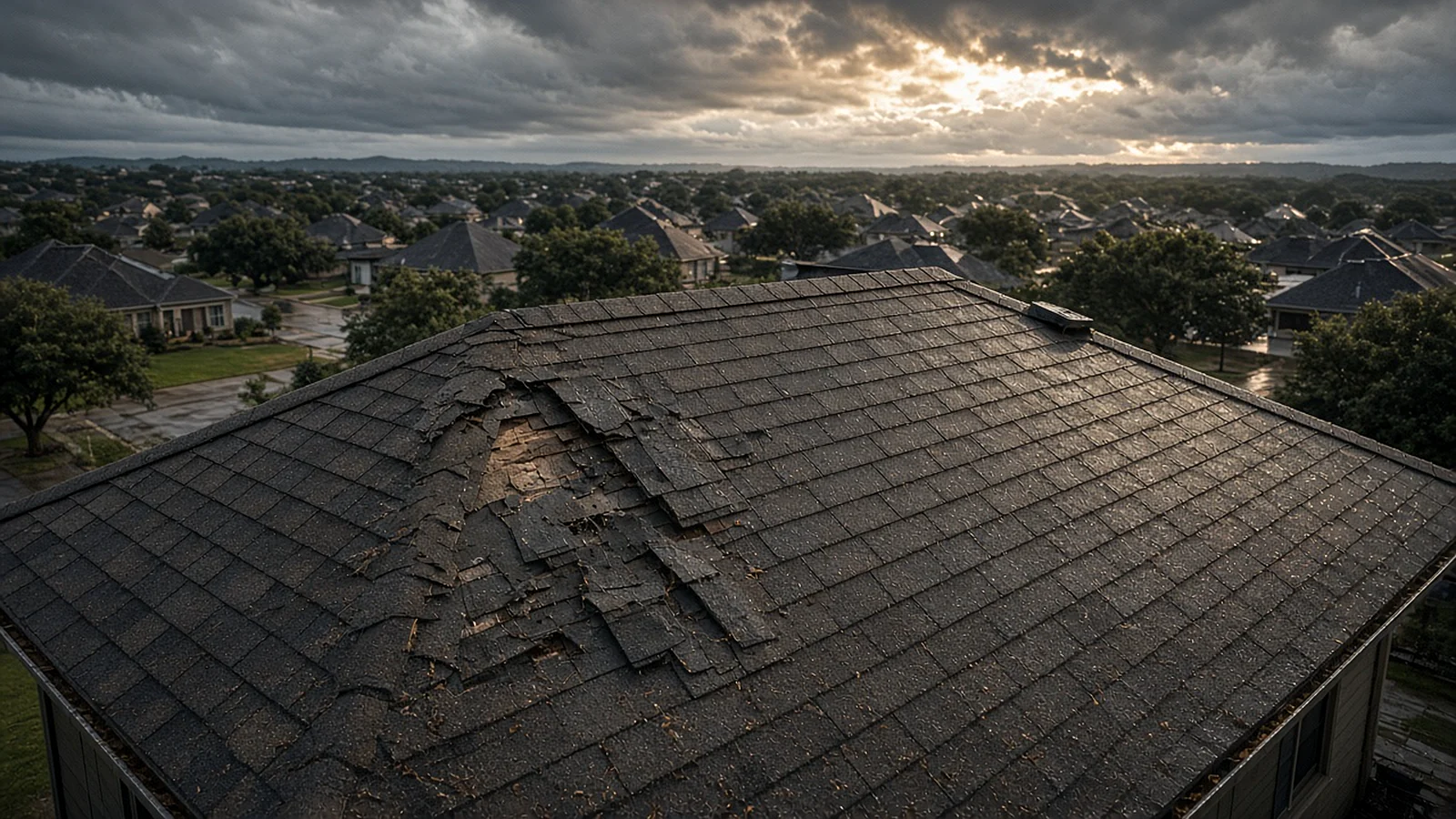
The storm rolled through Plano overnight. By morning, the street is full of shredded leaves, the gutters are clogged with debris, and every neighbor is asking the same question: "What happened to my roof?"
Climbing up to find out is risky and, on steep or damaged roofs, a bad idea. That's why drone roof inspections have become a go-to first step for homeowners, property managers and roofing pros across North and Central Texas.
Why Texas roofs take such a beating
North Texas is well known for spring hail, and severe storms can bring damaging wind and hail to neighborhoods from Fort Worth to McKinney. Central Texas sees its share of severe weather too, and long, hot summers across both regions age shingles, sealants and flashing.
The result is that many Texas roofs need a close look more often than their owners expect, and sometimes urgently.
What a drone inspection actually is
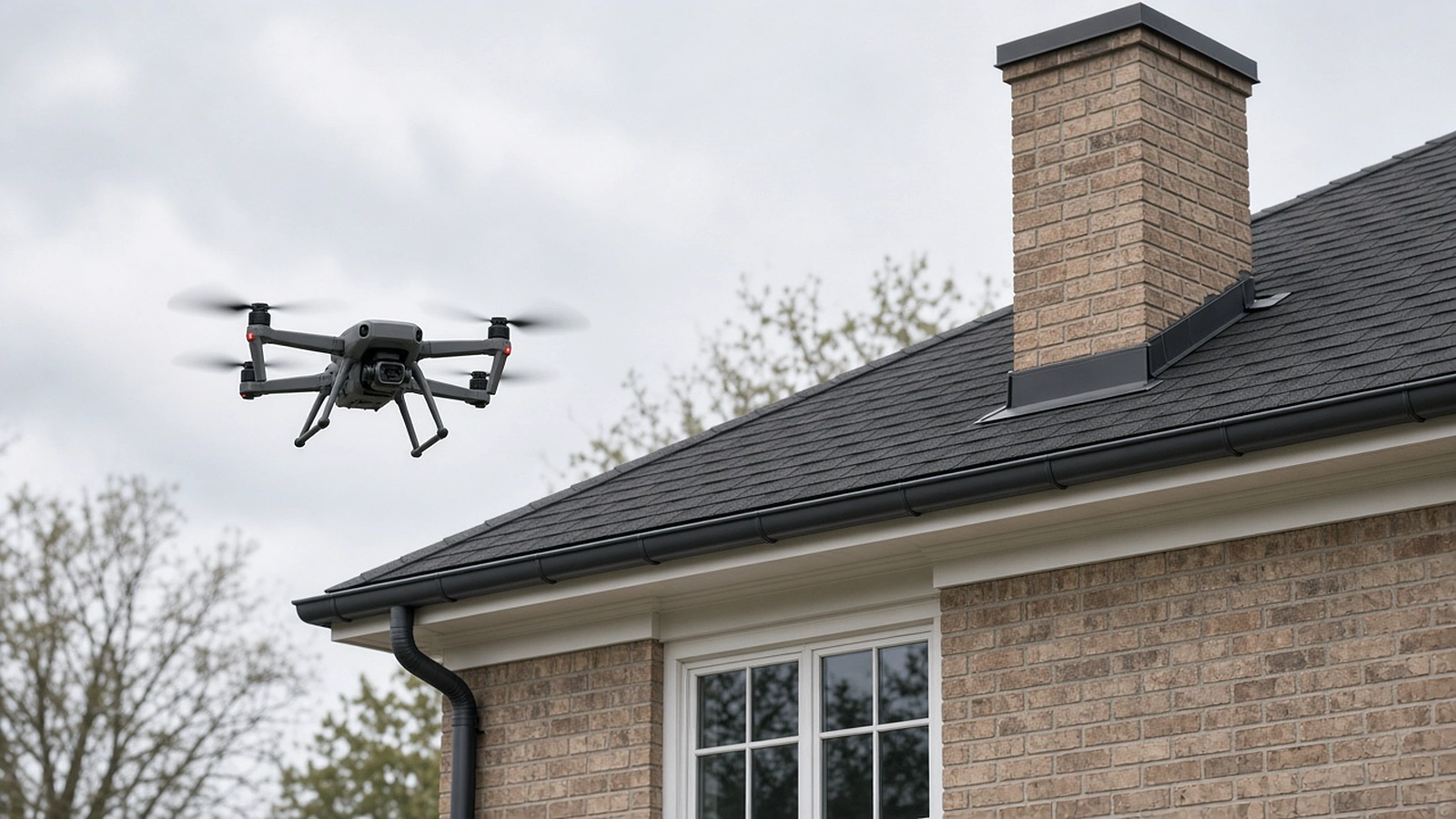
A drone roof inspection is a structured aerial survey of a roof and its surroundings. A certified pilot flies a planned pattern to capture high-resolution photos and video of every slope, ridge, valley and penetration.
What drones document well
- Missing, lifted or creased shingles, along with displaced tiles and damaged metal panels.
- Granule loss and surface wear, visible in close, sharp images.
- Flashing, vents, skylights and chimneys, where leaks often begin.
- Gutters and downspouts, including debris and damage.
- Overall roof condition, captured in wide shots that put the details in context.
- The rest of the property, from fences and siding to trees overhanging the roof.
What drones can't do
A drone is a documentation tool. It doesn't replace a qualified roofer or inspector. Some types of damage, like soft decking or problems beneath the surface, can't be judged from images alone. The best results come when a professional reviews the imagery and inspects in person where needed.
Some inspection drones carry thermal cameras that can help reveal moisture patterns or insulation issues under the right conditions. If that matters to you, ask specifically whether thermal imaging is part of the service.
The advantages over a ladder
- Safety. No one climbs a steep, wet or damaged roof.
- No added damage. No foot traffic on brittle shingles or tile.
- Speed. A typical residential roof can be documented far faster than a manual climb.
- Complete coverage. Every slope is captured, including areas that are hard to reach.
- A lasting record. Dated images can be compared after future storms or repairs.
How a drone roof inspection works, step by step
- Scheduling and airspace check. The pilot confirms the address and checks whether the property sits in controlled airspace. Many neighborhoods near DFW International, Dallas Love Field, Austin-Bergstrom and other towered airports require FAA authorization, often requested through LAANC.
- Site assessment. On arrival, the pilot looks for power lines, trees, wind and any people or pets in the area.
- Overview flight. Wide shots capture the full roof and property.
- Detail passes. Closer, systematic passes document each slope, edge and penetration.
- Targeted shots. Additional angles are captured anywhere there's visible damage or a concern you've flagged.
- Delivery. You receive organized images, often labeled by roof section, ready to share with a roofer, inspector or adjuster.
When to schedule an inspection
After a storm
Once the storm has fully passed and winds have calmed, a quick aerial survey helps you understand whether you need a roofer and how urgently. Drones can't fly safely in high winds, rain or low visibility, so patience pays off.
Before buying or selling
Buyers in Frisco, Southlake or Round Rock can use aerial images to see a roof's general condition before the formal inspection. Sellers can document a roof's condition before listing.
For routine maintenance
Property managers with multiple buildings, HOAs and commercial owners can schedule periodic surveys to catch problems early and build a history of each roof.
How to prepare
- Let the pilot know about any specific concerns or leaks inside the home.
- Move vehicles away from the house if possible.
- Keep pets indoors during the flight.
- Tell neighbors a drone will be overhead briefly.
- Share any previous inspection reports or repair history.
Questions to ask before you book
- Are you an FAA Part 107 certified remote pilot?
- How will you handle airspace authorization for my address?
- What will I receive, and in what format?
- Do you provide thermal imaging, and is it relevant to my concern?
- Will a roofer or inspector review the images, or should I arrange that?
- Do you carry insurance?
A safer first look
A drone won't fix your roof. What it will do is give you a clear, safe and detailed view of the problem so the right professional can take the next step. After a North Texas hailstorm or a long Austin summer, that first look can save time, money and a dangerous climb.
Frequently Asked Questions
Can a drone replace a roofer's inspection?
No. A drone documents the roof safely and in detail, but a qualified roofer or inspector should interpret the images and, when needed, inspect the roof in person before repairs are planned.
Is a drone roof inspection safe for my roof?
Yes. The drone never touches the roof, so there's no foot traffic on fragile or damaged shingles, tile or metal, and no ladder setup against gutters.
Can drones fly right after a storm?
Only when conditions are safe. High winds, rain and low visibility ground drones. The best time is usually once the storm has fully cleared and winds have calmed.
Will drone photos help with an insurance claim?
Clear, dated aerial images can help document a roof's condition, but each insurer sets its own process. Ask your insurer or adjuster what documentation they accept.
Images in this article are illustrative and do not depict specific Stoop 360 projects.
Keep reading

Tracking a Build From the Sky: Drone Construction Progress Photography
Same positions, same angles, every visit. How repeatable aerial documentation keeps owners, lenders and teams on the same page as a project rises.
Read article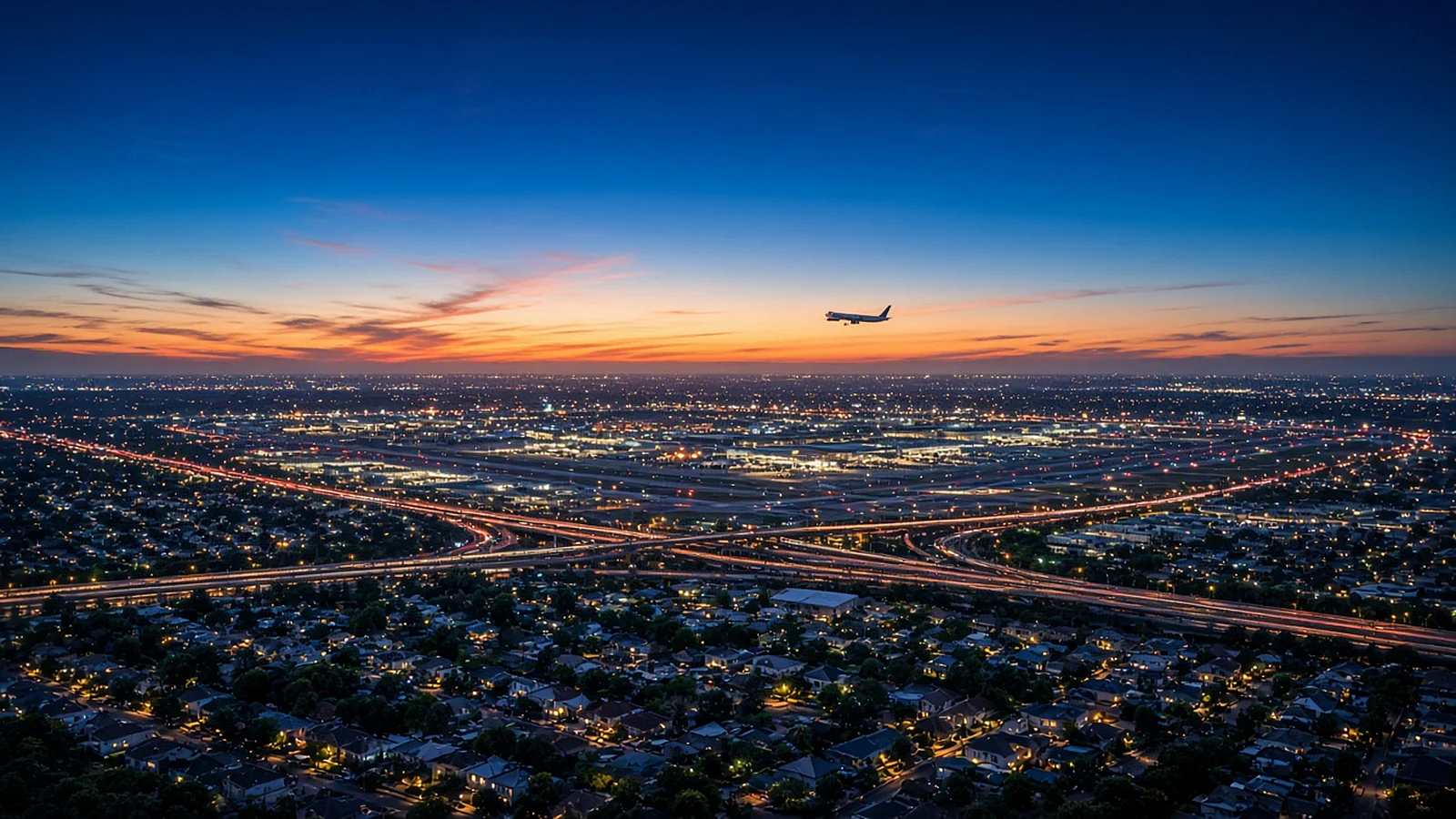
Drone Rules in DFW and Austin: What FAA Part 107 Means When You Hire a Pilot
Certification, controlled airspace, LAANC, night flights and flying near people. What the rules mean for your shoot, without the legalese.
Read article
How to Hire a Drone Pilot in Dallas-Fort Worth or Austin: 10 Questions to Ask
Certification, airspace, insurance, portfolio and plan B. Ten questions that separate a professional drone pilot from someone who just owns a drone.
Read article